The 3 Best Wireless Security Cameras

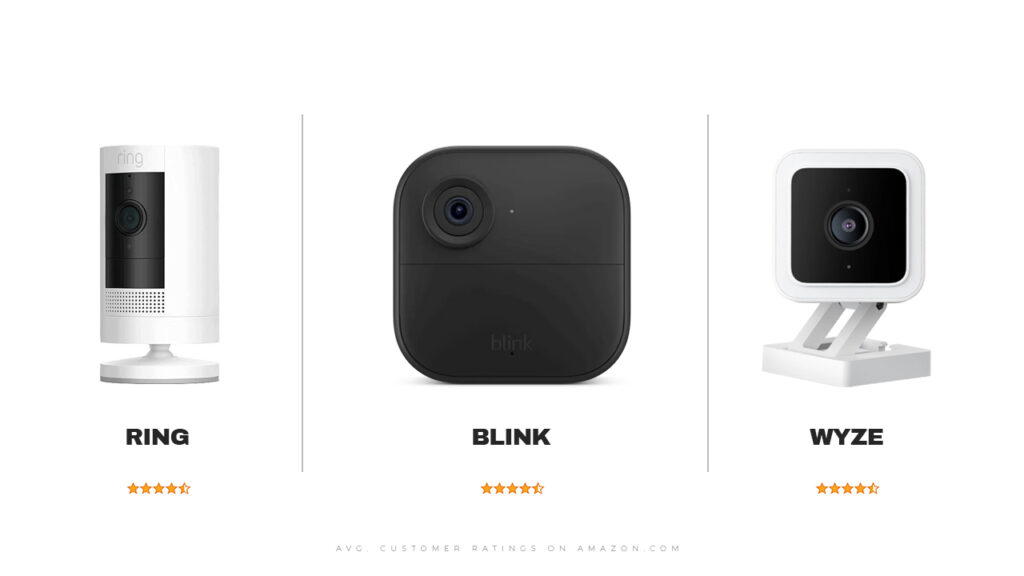
In the realm of home security, finding the best wifi security camera is paramount for homeowners aiming to safeguard their property and loved ones effectively. This are the 3 best wireless security cameras, known for their convenience, flexibility, and ease of installation, provide peace of mind in our digitally-connected world. In this guide, we take a closer look at three industry leaders – Ring, Blink, and WYZE – examining their features, price points, and user reviews to help you select the best wifi security camera for your specific needs. Additionally, a detailed FAQ section will address prevalent inquiries regarding wireless security cameras.

Ring

Ring, an Amazon-owned company, has made a name for itself with its innovative and user-friendly wireless security cameras. Known for their sleek designs and robust features, Ring cameras have garnered a loyal following.

Key Features of Ring Wireless Security Cameras:

1. HD Video Quality: Ring cameras deliver crisp HD video quality, ensuring you can capture important details clearly.

2. Two-Way Audio: With built-in speakers and microphones, Ring cameras allow for two-way communication. You can talk to visitors or even deter intruders through the mobile app.

3. Motion Detection: Ring cameras come equipped with advanced motion detection sensors that send instant alerts to your smartphone when activity is detected.

4. Cloud Storage: Ring offers cloud storage plans that provide access to recorded video clips, making it easy to review and share footage.

5. Integration: Ring cameras seamlessly integrate with other Ring products, such as video doorbells and security systems, creating a comprehensive home security ecosystem.

Price Range:
Ring offers a variety of camera models, including the Ring Stick Up Cam, Ring Spotlight Cam, and Ring Floodlight Cam. The price range typically starts with the more budget-friendly Stick Up Cam and goes up for more feature-rich options.

Reviews:
Ring security cameras have received positive reviews for their ease of use, clear video quality, and reliable performance. Customers appreciate the intuitive mobile app, which allows for remote monitoring and control. Ring’s commitment to enhancing home security is evident through regular software updates and new features.

Blink

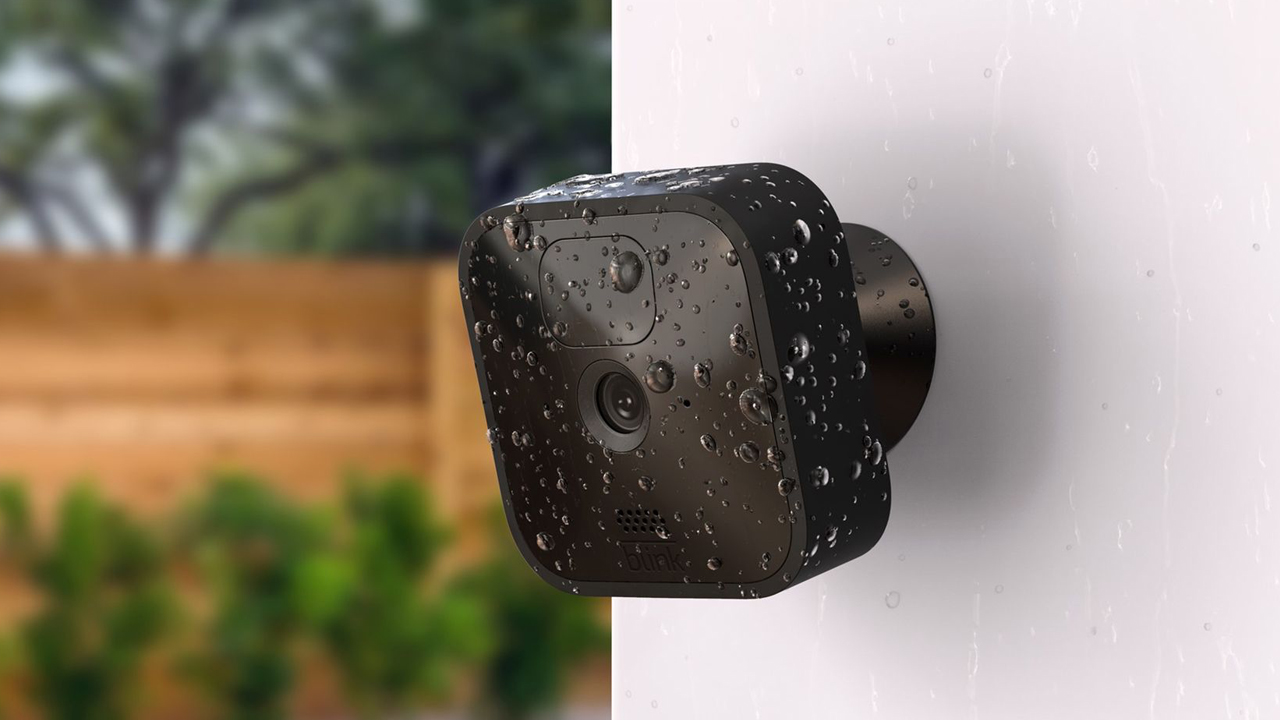
Owned by Amazon, Blink is another top contender in the wireless security camera market. Blink cameras are known for their simplicity and long battery life, making them an excellent choice for those looking for hassle-free monitoring.

Key Features of Blink Wireless Security Cameras:

1. Battery-Powered: Blink cameras are entirely wireless and run on batteries. This eliminates the need for wiring and allows for flexible placement.

2. Motion Detection: Blink cameras offer motion detection capabilities, and they can be set to send alerts and record clips when motion is detected.

3. Long Battery Life: One of the standout features of Blink cameras is their impressive battery life, which often lasts up to two years on a single set of AA lithium batteries.

4. Cloud Storage: Blink offers cloud storage options for recorded clips, providing easy access to your footage.

5. Affordability: Blink cameras are competitively priced, making them an excellent choice for budget-conscious consumers.

Price Range:
Blink cameras are known for their affordability, making them an attractive option for those looking to set up multiple cameras without breaking the bank.

Reviews:
Customers appreciate the simplicity and ease of installation of Blink cameras. The long battery life is a significant selling point, as it reduces maintenance and the need for frequent battery replacements. Users also praise the reliable motion detection and the mobile app’s user-friendly interface.

WYZE

WYZE is a disruptor in the smart home market, offering high-quality wireless security cameras at a fraction of the cost of competitors. Their cameras have gained popularity for their impressive feature set and affordability.

Key Features of WYZE Wireless Security Cameras:

1. Full HD Video: WYZE cameras deliver clear and detailed full HD video quality, ensuring that you capture important moments with clarity.

2. Two-Way Audio: With two-way audio, WYZE cameras enable communication with anyone near the camera through the mobile app.

3. Free Cloud Storage: WYZE offers 14 days of free cloud storage for recorded video clips, eliminating the need for subscription fees.

4. Affordable: WYZE cameras are some of the most budget-friendly options on the market, making them accessible to a wide range of consumers.

5. Integration: WYZE cameras integrate with the WYZE app, allowing you to control and monitor your devices from a single interface.

Price Range:
WYZE cameras are renowned for their affordability. They offer feature-rich cameras at a fraction of the cost of many competitors.

Reviews:
WYZE has garnered a strong following among users who appreciate its excellent value for money. The free cloud storage is a standout feature, eliminating the need for monthly subscription fees. Customers also praise the reliability and performance of WYZE cameras, especially considering their budget-friendly price point.

Frequently Asked Questions (FAQs) about Wireless Security Cameras:

1. Are wireless security cameras easy to install?
  – Yes, most wireless security cameras are designed for easy DIY installation. They come with clear instructions, and many have magnetic mounts for hassle-free placement.

2. Do I need a subscription for cloud storage with these cameras?
  – It depends on the brand and model. Ring, Blink, and WYZE offer varying cloud storage options, including free and subscription-based plans. Some cameras also support local storage via microSD cards or external hard drives.

3. Can I view my camera feeds remotely?
  – Yes, all three brands (Ring, Blink, and WYZE) offer mobile apps that allow you to view camera feeds, receive alerts, and control camera settings from anywhere with an internet connection.

4. Do these cameras work with voice assistants like Alexa or Google Assistant?
  – Yes, many Ring, Blink, and WYZE cameras are compatible with voice assistants like Amazon Alexa and Google Assistant, allowing you to control them using voice commands.

5. Are these cameras suitable for both indoor and outdoor use?
  – Yes, all three brands offer camera models designed for both indoor and outdoor use. Be sure to choose the appropriate model based on your specific needs.

In Conclusion

When it comes to the best wireless security cameras, Ring, Blink, and WYZE each offer unique advantages. Ring excels in features and integration within a comprehensive home security ecosystem. Blink stands out for its simplicity, impressive battery life, and affordability. WYZE offers feature-rich cameras at a fraction of the cost, with free cloud storage as a significant perk.

Ultimately, the choice between these brands will depend on your specific needs, budget, and preferences. Whichever brand you choose, you can enjoy the convenience and peace of mind that wireless security cameras bring to your home security setup.

7 Basic Services Your Business Needs Today

In today’s digital age, information technology (IT) services are the backbone of nearly every business operation. Whether you run a small startup or a mid-sized enterprise, having the right IT services in place can significantly enhance productivity, efficiency, and security. This article explores seven basic services your business needs today, focusing on their benefits for small and mid-sized businesses. From network administration to cybersecurity, each service plays a crucial role in ensuring your business’s success.

1. Network Administration: Keeping Your Business Connected

Network administration is the foundation of a well-functioning IT infrastructure. It involves managing and maintaining your business’s network, including servers, routers, switches, and other networking equipment. Here’s why network administration is essential:

– Reliable Connectivity: Network administrators ensure that your network operates smoothly, minimizing downtime and keeping your employees connected to critical resources.

– Optimized Performance: They monitor network traffic, identify bottlenecks, and make necessary adjustments to improve network performance, ensuring that your operations run efficiently.

– Scalability: As your business grows, network administrators can scale your network infrastructure to accommodate increased demand, allowing for seamless expansion.

– Security: Network administrators implement security protocols to protect your network from unauthorized access and potential cyber threats.

For small and mid-sized businesses, network administration helps maintain a stable and secure network environment, allowing employees to work productively and access vital resources without interruption.

2. System Integration: Seamless Technology Coordination

System integration involves the seamless coordination of various IT systems and applications within your organization. It ensures that different technologies work together harmoniously, leading to increased efficiency and improved workflows. Here’s why system integration is crucial:

– Efficiency: Integrated systems reduce redundancy and streamline processes, saving time and resources for your business.

– Data Accuracy: By connecting systems, you reduce the risk of data entry errors and improve data accuracy, leading to better decision-making.

– Improved Collaboration: Integrated systems facilitate collaboration among employees, enabling them to access and share data effortlessly.

– Enhanced Customer Experience: Integrated systems provide a holistic view of customer data, allowing you to provide personalized services and better customer support.

For small and mid-sized businesses, system integration helps eliminate technology silos and creates a more efficient and agile IT environment.

3. Data Backup and Security: Safeguarding Your Digital Assets

Data backup and security are paramount for protecting your business’s valuable digital assets. These services ensure that your data is safe from loss, theft, or cyberattacks. Here’s why data backup and security are vital:

– Data Protection: Backup solutions safeguard your data from hardware failures, accidental deletions, and disasters, ensuring business continuity.

– Cybersecurity: Data security measures protect your data from malicious attacks, such as ransomware and data breaches.

– Regulatory Compliance: Compliance with data security regulations is critical, and data backup and security services help you meet these requirements.

– Peace of Mind: Knowing that your data is secure and can be restored in case of data loss provides peace of mind for business owners.

Small and mid-sized businesses benefit from data backup and security by minimizing the risk of data loss, maintaining customer trust, and complying with data protection regulations.

4. Helpdesk and Break-Fix: Quick Solutions for Technical Issues

Helpdesk and break-fix services provide essential technical support to address IT problems as they arise. Whether it’s resolving software glitches or fixing hardware issues, these services ensure that your business operations continue smoothly. Here’s why helpdesk and break-fix services are essential:

– Minimized Downtime: Quick resolution of technical issues minimizes downtime, allowing employees to remain productive.

– Cost Efficiency: Instead of hiring full-time IT staff, small and mid-sized businesses can benefit from on-demand technical support, reducing costs.

– Expertise: Helpdesk technicians and break-fix specialists possess the expertise needed to troubleshoot and resolve a wide range of IT problems.

 Resource Allocation: Outsourcing these services allows you to focus on core business activities while experts handle IT issues.

For small and mid-sized businesses, helpdesk and break-fix services offer a cost-effective and efficient way to address technical challenges, ensuring minimal disruption to operations.

5. Managed IT Services: Comprehensive Support

Managed IT services encompass a wide range of proactive IT support and management activities. These services go beyond addressing immediate issues and focus on optimizing your IT infrastructure for long-term success. Here’s why managed IT services are beneficial:

– Proactive Maintenance: Managed service providers perform routine maintenance and monitoring to prevent issues before they disrupt your business.

– Predictable Costs: With fixed monthly costs, managed IT services help you budget effectively without unexpected expenses.

– Scalability: As your business grows, managed service providers can scale your IT infrastructure and support accordingly.

– Strategic Guidance: Managed IT services providers offer strategic guidance to align your IT with your business goals.

For small and mid-sized businesses, managed IT services offer a comprehensive solution to IT management, ensuring stability, security, and cost-effectiveness.

6. Cloud Services: Enhancing Scalability and Accessibility

Cloud services have revolutionized the way businesses store data and access applications. These services offer scalability, accessibility, and cost-efficiency. Here’s why cloud services are valuable:

– Scalability: Cloud services allow you to scale resources up or down based on your business’s changing needs, eliminating the need for extensive on-premises infrastructure.

– Accessibility: With cloud-based applications and data, employees can access critical resources from anywhere with an internet connection, promoting flexibility and remote work.

– Cost Savings: Cloud services often reduce the upfront costs associated with traditional IT infrastructure and provide predictable monthly expenses.

– Disaster Recovery: Cloud storage offers robust disaster recovery options, ensuring that your data is safe even in the face of natural disasters or hardware failures.

For small and mid-sized businesses, cloud services provide the flexibility and cost-efficiency needed to compete in today’s fast-paced business environment.

7. Cybersecurity: Protecting Your Business from Threats

Internet safety services are essential for safeguarding your business against the ever-evolving landscape of cyber threats. IT security measures protect sensitive data, prevent breaches, and ensure compliance. Here’s why cybersecurity is critical:

– Data Protection: Cybersecurity measures protect your business’s sensitive data, including customer information and proprietary data.

 Threat Detection: Advanced threat detection technologies identify and mitigate potential threats before they can cause harm.

– Regulatory Compliance: Compliance with data protection regulations, such as GDPR or HIPAA, is crucial, and cybersecurity services help meet these requirements.

– Reputation Management: Effective cybersecurity measures safeguard your business’s reputation by preventing data breaches and security incidents.

For small and mid-sized businesses, cybersecurity services are essential to mitigate the risks associated with cyberattacks and protect critical business assets.

In today’s digital age, IT services are essential for the success of small and mid-sized businesses. From network administration to cybersecurity, each service plays